
As the seasons change in Columbus, Ohio, your home's locks and security hardware face unique challenges from temperature fluctuations, humidity, ice, and debris. Many homeowners don't realize that regular lock maintenance can prevent costly lockouts, extend the life of their security systems, and keep their families safe year-round. At Northland Columbus Locksmith, serving the Dresden Street area and beyond, we've seen how a little preventive care can save homeowners from emergency situations and expensive repairs. This comprehensive guide will walk you through seasonal maintenance tips to ensure your locks remain in optimal condition no matter what Ohio's weather brings.
Why Seasonal Lock Maintenance Matters in Columbus
Columbus experiences all four seasons with distinct weather patterns that can significantly impact your home's locks and security hardware. Winter temperatures often drop below freezing, causing locks to freeze and metal components to contract. Spring brings heavy rainfall and humidity that can lead to rust and corrosion. Summer's heat causes metal expansion, while fall introduces leaves, dirt, and debris that can clog mechanisms.
Neglecting seasonal maintenance can result in:
- Frozen locks during winter months that leave you locked out in freezing temperatures
- Rust and corrosion from moisture exposure reducing lock lifespan
- Key breakage from forcing stuck or damaged locks
- Compromised security when locks don't fully engage due to debris or wear
- Emergency locksmith calls that could have been prevented with simple maintenance
- Costly lock replacements instead of affordable repairs
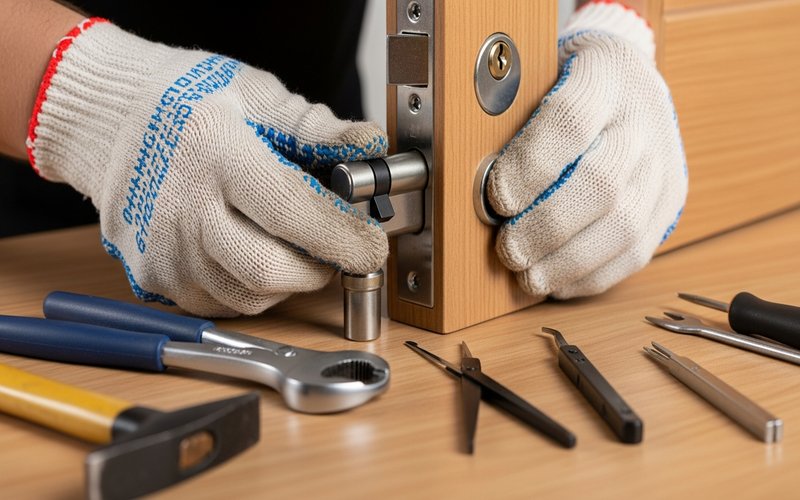
Spring Locksmith Maintenance: Preparing for Rain and Humidity
Spring in Columbus brings refreshing rain showers but also increased moisture that can wreak havoc on your locks. This is the perfect time to inspect and clean your locks after winter's harsh conditions.
Inspect for Winter Damage
Begin your spring maintenance by thoroughly inspecting all exterior locks for signs of winter damage:
- Check for rust spots or corrosion on lock faces and deadbolts
- Look for cracks or damage to lock housings
- Test each lock's operation for stiffness or resistance
- Examine weatherstripping around doors for wear
- Verify that strike plates remain securely fastened
Deep Cleaning Process
Spring cleaning should extend to your locks. Remove accumulated dirt, salt residue from winter de-icing, and debris:
1. Wipe down all lock exteriors with a damp cloth to remove surface dirt 2. Use compressed air to blow out debris from keyholes and lock mechanisms 3. Clean keys thoroughly with rubbing alcohol to remove buildup 4. Inspect and clean door jambs where locks engage 5. Remove and clean removable lock components if you're comfortable doing so
Lubrication for Smooth Operation
Proper lubrication is essential after cleaning:
- Use graphite powder or silicone-based lubricant specifically designed for locks
- Avoid oil-based products that attract dirt and can gum up mechanisms
- Apply lubricant sparingly to keyholes and moving parts
- Work keys in and out several times to distribute lubricant
- Wipe away excess to prevent dirt accumulation
Address Moisture Issues
Spring's humidity requires special attention:
- Apply a thin coat of car wax to metal lock faces for moisture protection
- Check that door overhangs provide adequate weather protection
- Consider installing lock covers for extremely exposed locks
- Verify that drainage around doors directs water away from entry points
Summer Locksmith Maintenance: Heat and Expansion Considerations
Columbus summers can be hot and humid, causing metal components to expand and creating unique maintenance needs.
Check Lock Alignment
Heat causes door frames and locks to expand, potentially affecting alignment:
- Test that deadbolts fully extend and retract smoothly
- Verify that latches properly engage strike plates
- Check for doors that stick or require extra force to close
- Adjust strike plates if needed to accommodate seasonal expansion
- Ensure door hinges remain tight and properly aligned
Protect Against UV Damage
Sunlight can degrade certain lock components:
- Inspect plastic or composite lock components for sun damage
- Check that finish hasn't faded or deteriorated on decorative hardware
- Consider protective covers for locks in direct sunlight
- Replace weathered components before they fail
Maintain Smart Locks and Electronic Systems
Summer heat affects electronic lock systems:
- Check battery levels in smart locks and replace as needed
- Verify that electronic keypads respond properly to input
- Test backup mechanical keys to ensure they still function
- Keep electronic components clean and free from debris
- Ensure wireless connectivity remains stable for smart home integration
Vacation Security Preparation
Before summer travel, ensure your locks are reliable:
- Test all locks multiple times to confirm proper operation
- Create a spare key set for trusted neighbors or house sitters
- Consider rekeying locks if you've recently moved in
- Verify that sliding door locks and window locks function correctly
- Update lock codes on electronic systems if they've been shared
Fall Locksmith Maintenance: Preparing for Dropping Temperatures
Fall in Columbus is beautiful but brings falling leaves, debris, and temperature drops that require preparation.
Clear Debris and Prevent Buildup
Leaves and debris can clog lock mechanisms:
- Sweep entry areas regularly to keep debris away from doors
- Use compressed air to remove leaves and dirt from keyholes
- Check that drainage channels near doors aren't clogged
- Trim back vegetation that might shed directly onto locks
- Install door sweeps to prevent debris from accumulating under doors
Pre-Winter Lubrication
Prepare locks for cold weather with proper lubrication:
- Apply graphite-based lubricant that won't freeze in cold temperatures
- Avoid moisture-attracting products before winter
- Lubricate hinges and moving parts to prevent freezing
- Work lubricant thoroughly through all mechanisms
Test Cold Weather Performance
As temperatures begin to drop:
- Test locks on cooler mornings to identify potential issues
- Check for any stiffness that might worsen in winter
- Verify that keys turn smoothly without resistance
- Address any problems before freezing weather arrives
Weatherproofing Preparation
Get ahead of winter weather:
- Install or replace weatherstripping around doors
- Check that door seals prevent moisture infiltration
- Consider lock covers for extremely exposed exterior locks
- Verify that roof overhangs provide adequate protection
- Apply protective coatings to metal components
Winter Locksmith Maintenance: Freezing Weather Strategies
Columbus winters can be brutal on locks, with freezing temperatures and ice creating serious challenges.
Prevent Lock Freezing
Frozen locks are a common winter emergency:
- Never use water to clean locks when freezing temperatures are expected
- Apply lock de-icer spray before predicted freezes
- Keep graphite lubricant on hand for emergency treatment
- Protect locks with covers during ice storms
- Consider heated key systems for frequently problematic locks
Safe De-Icing Methods
If locks do freeze:
- Heat your key with a lighter or match before insertion (carefully)
- Apply commercial lock de-icer following product instructions
- Use a hair dryer on low heat to gradually warm the lock
- Never force a frozen lock as this can break keys or damage mechanisms
- Call a professional locksmith rather than risk damage
Snow and Ice Management
Protect locks from winter precipitation:
- Clear snow and ice away from doors promptly
- Avoid getting de-icing salt directly on locks
- Wipe locks dry after snow or ice exposure
- Check that gutters direct water away from entry points
- Install storm doors for an extra layer of protection
Emergency Preparedness
Be ready for winter lock emergencies:
- Keep lock de-icer in your car and home
- Store the number for Northland Columbus Locksmith in your phone
- Have spare keys available in multiple locations
- Test locks regularly throughout winter
- Address small problems before they become emergencies
Year-Round Locksmith Maintenance Best Practices
Beyond seasonal care, certain maintenance practices should be performed regularly throughout the year.
Monthly Lock Checks
Establish a monthly routine:
- Test all exterior locks for smooth operation
- Verify that keys aren't wearing or bending
- Check that strike plates remain secure
- Inspect for any signs of tampering or attempted entry
- Test deadbolts to ensure full extension
Key Maintenance and Management
Proper key care extends lock life:
- Avoid attaching heavy keychains that can damage lock mechanisms
- Replace worn or bent keys before they break
- Keep spare keys in secure locations
- Never force a sticky key; lubricate the lock instead
- Consider having keys professionally cut rather than using cheap copies
Professional Inspections
Schedule regular professional maintenance:
- Have locks professionally inspected annually
- Consider rekeying after moving into a new home
- Upgrade outdated locks to modern high-security options
- Ask professionals to identify potential security vulnerabilities
- Schedule maintenance before problems become emergencies
Smart Lock Specific Maintenance
Electronic locks require additional attention:
- Replace batteries according to manufacturer recommendations
- Keep firmware updated for security and functionality
- Clean touchpads and fingerprint readers regularly
- Test backup mechanical access periodically
- Verify that smartphone apps remain functional
Signs Your Locks Need Professional Attention
Even with regular maintenance, some situations require professional locksmith services:
Warning Signs to Watch For
- Keys difficult to insert or remove despite cleaning and lubrication
- Locks that don't fully engage or feel loose
- Visible damage to lock housings or components
- Keys that no longer turn smoothly in the lock
- Deadbolts that stick or don't fully extend
- Rust or corrosion that cleaning doesn't resolve
- Lock mechanisms that feel gritty even after lubrication
- Doors that don't close properly affecting lock alignment
When to Consider Rekeying or Replacement
Some situations call for more than maintenance:
- After purchasing a home or moving into a new apartment
- Following a break-in or attempted entry
- When keys have been lost or stolen
- If former occupants, contractors, or service people had access
- When locks are outdated and lack modern security features
- After a relationship change when others may have keys
- When locks show significant wear despite maintenance
Frequently Asked Questions About Lock Maintenance and Locksmith Services
How much should a locksmith cost per hour?
Locksmith costs vary based on the service, time of day, and complexity of work. In Columbus, standard service calls typically range from $75 to $150 during business hours. Emergency after-hours service, weekends, and holidays generally cost more, often ranging from $150 to $250. However, many locksmith services are project-based rather than hourly. Simple tasks like rekeying might cost $20-$30 per lock, while lock installation could range from $100 to $300 depending on the lock type and complexity.
What does it cost to call out a locksmith?
A standard locksmith service call in Columbus typically includes a trip charge of $50 to $100, which covers the locksmith's travel to your location. This fee is often applied toward the total service cost. Emergency callouts during nights, weekends, or holidays may have higher trip charges, sometimes $100 to $150 or more. At Northland Columbus Locksmith, we provide transparent pricing and inform customers of all costs before beginning work.
Who is the cheapest locksmith?
While price is important, choosing a locksmith based solely on cost can be risky. The "cheapest" option may lack proper licensing, insurance, or experience, potentially leading to poor workmanship or security vulnerabilities. Instead of looking for the cheapest locksmith, seek the best value—a licensed, insured professional who offers fair pricing, quality work, and reliable service. Request quotes from several reputable locksmiths, verify their credentials, and read reviews before deciding.
Is it cheaper to go to a locksmith or dealer?
For automotive key services, independent locksmiths are typically 30-50% less expensive than dealerships. Locksmiths can often provide mobile service, coming to your location rather than requiring towing. For home locks, locksmiths are generally the only option unless you're working directly with builders or contractors. Locksmiths also offer more flexibility, faster service, and often better customer service than large dealerships.
Will police unlock your car for free?
Most police departments no longer offer car unlocking services due to liability concerns and potential damage to modern vehicles. Police may assist in genuine emergencies involving children or pets locked in vehicles, but they typically call a locksmith or towing service rather than attempting the unlock themselves. Some roadside assistance programs like AAA include lockout service, which can be more cost-effective than paying out of pocket for a locksmith if you're a member.
What locks can locksmiths not open?
Professional locksmiths can open nearly all conventional locks given proper tools and authorization. However, some situations are challenging: extremely damaged locks may need replacement rather than opening, some high-security locks require specialized tools or techniques, and certain electronic or biometric systems may need manufacturer assistance. Additionally, ethical locksmiths won't open locks without proper authorization or proof of ownership to prevent facilitating break-ins.
The Cost of Neglecting Lock Maintenance
Understanding the financial and security implications of poor lock maintenance helps motivate regular care:
Emergency Service Costs
Lockouts and emergency repairs are expensive:
- Emergency locksmith calls can cost 2-3 times regular service rates
- After-hours, weekend, and holiday service commands premium pricing
- Broken keys stuck in locks require extraction before rekeying
- Damaged locks from forced entry attempts may need complete replacement
Security Risks
Neglected locks compromise home security:
- Worn locks are easier for intruders to pick or force
- Malfunctioning locks may not fully engage, leaving doors vulnerable
- Visible lock damage signals easy entry to potential burglars
- Failed locks during emergencies could trap occupants inside
Property Damage
Poor lock maintenance can damage more than just locks:
- Frozen locks may crack, requiring expensive replacement
- Corroded components can stain doors and frames
- Misaligned locks can damage door jambs and strike plates
- Forced entry attempts can damage surrounding structures
Choosing the Right Locksmith for Maintenance and Repairs
When DIY maintenance isn't enough, selecting a qualified locksmith is crucial:
Verification Steps
- Confirm the locksmith is licensed and insured
- Check online reviews and ratings on multiple platforms
- Verify they provide service in your Columbus area
- Ensure they offer transparent pricing before beginning work
- Ask about their experience with your specific lock type
Questions to Ask
Before hiring a locksmith:
- What is your estimated timeline for completing this work?
- Do you guarantee your work, and for how long?
- What are the total costs including trip charges and labor?
- Are you available for emergency service if needed?
- Can you provide references from recent customers?
Red Flags to Avoid
- Unmarked vehicles without company identification
- Refusal to provide identification or credentials