
As the leaves begin to change color and temperatures start to drop in Columbus, Ohio, homeowners have plenty on their minds—from preparing gardens for winter to servicing HVAC systems. However, one crucial aspect of home maintenance that often gets overlooked during the seasonal transition is your home's security infrastructure. Fall presents the perfect opportunity to assess and upgrade your locks, keys, and overall security systems before winter arrives.
With shorter days bringing earlier darkness and the holiday season approaching, burglary rates typically increase during fall and winter months. Your locks are the first line of defense protecting your family and belongings, making this the ideal time to ensure they're functioning optimally. Whether you're dealing with older locks that have weathered countless Ohio winters or you've recently moved into a new home, following these fall locksmith tips will help keep your Columbus property secure throughout the coming months.
Why Fall Is the Perfect Time for Lock Maintenance
Fall represents a transitional period that makes it particularly important for comprehensive lock maintenance and security assessments. The weather in Columbus during autumn creates unique conditions that can affect your home's security hardware in ways many homeowners don't realize.
The temperature fluctuations common to Ohio falls—warm afternoons followed by chilly evenings—cause metal components in locks to expand and contract repeatedly. This constant movement can gradually loosen screws, misalign strike plates, and create gaps that compromise security. Additionally, increased moisture from fall rains combined with dropping temperatures can accelerate rust and corrosion in exterior locks, especially those that haven't been properly maintained.
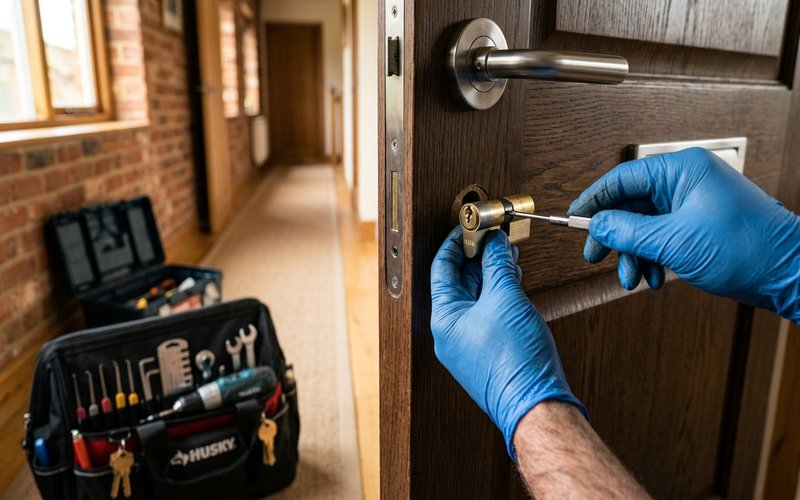
Beyond weather considerations, fall timing provides practical advantages. Addressing security issues now means you won't be dealing with frozen locks in January or discovering a broken lock during the holiday season when you're expecting guests. Many homeowners also find that scheduling non-emergency locksmith services during fall is easier, as locksmiths haven't yet entered their busiest season dealing with winter lockouts and frozen lock emergencies.
Furthermore, the approaching holiday season brings additional security concerns. Package theft increases dramatically during November and December, and burglars know that many homes contain valuable new gifts. Taking time now to upgrade your security measures provides peace of mind throughout the holiday season and beyond.
Inspect All Exterior Door Locks
Your exterior door locks represent the primary barrier between your family and potential intruders, making their condition absolutely critical to your home's overall security. A thorough inspection of all exterior locks should be your first priority as you prepare your Columbus home for fall.
Start by examining each lock cylinder for signs of wear, damage, or tampering. Look for scratches around the keyhole that might indicate someone has attempted to pick the lock. Check whether keys insert and turn smoothly—any sticking, grinding, or resistance suggests internal wear that could lead to failure at the worst possible moment. Test each lock multiple times, both from inside and outside, to ensure the mechanism engages completely and that deadbolts extend fully into the strike plate.
Pay particular attention to your front door lock, as this is often the primary entry point and receives the most use. If you notice any looseness when turning the key or if the lock cylinder wiggles in the door, the mounting screws may have loosened over time. Tightening these screws is a simple fix that significantly improves security.
Don't forget about secondary entry points that burglars often target. Side doors, back doors, and doors leading from attached garages into your home all require the same level of scrutiny as your front door. Many break-ins occur through these less-visible entry points precisely because homeowners neglect to maintain them properly.
If any of your exterior locks are more than 10-15 years old, consider upgrading to modern high-security locks. Today's lock technology offers significantly better protection against picking, bumping, and drilling—common techniques used by experienced burglars. Modern locks also provide better weather resistance, which is particularly valuable in Columbus's variable climate.
Test Door Hardware and Strike Plates
Even the most sophisticated lock provides minimal security if the surrounding hardware isn't properly installed and maintained. The strike plate—the metal plate attached to your door frame that receives the lock bolt—is particularly critical yet often overlooked.
Examine each strike plate to ensure it's securely fastened to the door frame with screws that penetrate deep into the framing studs, not just the trim. Many builders use short screws during initial installation, which provide inadequate strength. Replacing these with three-inch screws creates a much stronger connection that can withstand forced entry attempts. A properly secured strike plate can make the difference between a door that holds firm and one that gives way after a few solid kicks.
Check the alignment between your lock bolts and strike plates by closing each door and engaging the locks. The bolt should slide smoothly into the strike plate opening without scraping or binding. Misalignment often occurs as houses settle over time, particularly in older Columbus neighborhoods with homes built on clay soil. Even minor misalignment creates gaps that weaken security and make locks harder to operate.
Inspect door hinges as well, since a lock only provides security if the door itself can't be compromised. Ensure all hinge screws are tight and that hinges show no signs of rust or damage. For exterior doors with exposed hinges (doors that swing outward), consider installing security hinges with non-removable pins, or add hinge pins that prevent the door from being lifted off even if the hinge pins are removed.
Door closers, if present on storm doors or screen doors, should also be tested and adjusted. These devices ensure doors close and latch properly, preventing you from accidentally leaving doors unsecured. As temperatures drop, you may need to adjust tension settings since the hydraulic fluid in many door closers becomes thicker in cold weather.
Lubricate Locks and Moving Parts
Proper lubrication is one of the simplest yet most important aspects of lock maintenance, and fall is the perfect time to perform this essential task. Well-lubricated locks operate smoothly, last longer, and are less likely to fail when you need them most.
However, using the wrong lubricant can actually cause more harm than good. Avoid oil-based products, WD-40, and household oils, as these attract dirt and dust that will eventually gum up the lock mechanism. Instead, use a dry lubricant specifically designed for locks, such as graphite powder or a Teflon-based spray lubricant. These products reduce friction without attracting contaminants.
To properly lubricate a lock, insert the nozzle of your graphite or Teflon spray directly into the keyway and apply a short burst. Then insert your key and turn it several times to distribute the lubricant throughout the internal pins and springs. Wipe away any excess that seeps out. For graphite powder, either puff it directly into the keyway or coat your key with powder and then work it into the lock by inserting and removing the key several times.
Don't limit your lubrication efforts to just the locks themselves. Door hinges, deadbolt mechanisms, handle sets, and any other moving parts benefit from appropriate lubrication. For hinges, a light application of silicone spray or a traditional oil-based lubricant works well and will eliminate squeaks while ensuring smooth operation.
Pay special attention to locks exposed to the elements, such as those on sheds, gates, and detached garages. These exterior locks face the harshest conditions and benefit most from proper lubrication. Consider applying lubricant before the first hard freeze to prevent moisture from freezing inside the lock mechanism—a common cause of winter lockouts in Columbus.
Evaluate Window Locks and Security
While door locks typically receive the most attention, window security is equally important to your home's overall protection. Burglars often target windows, particularly those on the first floor or accessible from porches, decks, or nearby structures.
Test every window lock in your home to ensure it engages properly. Many window locks, especially on older double-hung windows, become loose or misaligned over time. The lock should hold the window firmly closed without any play or wiggle room. If you can create even a small gap while the lock is engaged, it's not providing adequate security.
For double-hung windows, consider installing additional security measures beyond the basic latch. Sash locks or window pins that pass through both the upper and lower sashes provide excellent additional security at minimal cost. These devices prevent windows from being opened even if the primary lock is defeated. They're particularly valuable for ground-floor windows and those obscured by landscaping.
Sliding windows and doors present unique security challenges since their locks are often flimsy and easily defeated. Install a security bar or pin lock that prevents the sliding panel from moving even if the primary lock is compromised. For sliding glass doors, a simple wooden dowel cut to fit in the track provides effective additional security.
Basement windows deserve special attention since they're common entry points for burglars and are often overlooked by homeowners. Ensure all basement windows have functional locks, and consider installing window well covers to make these vulnerable access points less attractive to intruders. If your basement windows are old and have deteriorated locks, replacing them entirely may be more cost-effective than attempting repairs.
Casement and awning windows should close completely with weather stripping creating a tight seal. The locking mechanism should pull the window snugly against the frame. If these windows don't close properly, they're vulnerable to being pried open and may also contribute to energy loss during the heating season.
Check Garage Door Security
Your garage represents a significant security vulnerability that many Columbus homeowners underestimate. Beyond containing valuable tools, equipment, and vehicles, the garage often provides direct access to your home's interior through a connecting door.
Test your garage door opener and ensure it functions reliably. Garage doors that stick, operate slowly, or make unusual noises may have mechanical issues that could leave your garage stuck open or closed at an inconvenient time. Address any operational problems now before cold weather exacerbates them.
Examine the door connecting your garage to your home interior. This door should have a solid-core construction and be equipped with a quality deadbolt—the same security level you'd provide for any exterior door. Many builders install hollow-core doors with simple passage handles at this location, creating a significant security weakness. If someone gains access to your garage, this interior door should still present a formidable barrier.
Modern garage door openers include rolling code technology that changes the access code with each use, preventing thieves from using code grabbers to gain entry. If your garage door opener is more than 10-15 years old and lacks this feature, consider upgrading. The investment in a new opener with modern security features is worthwhile given the vulnerability of older systems.
For garages with windows, ensure curtains or frosting prevents passersby from viewing your vehicles and possessions. Burglars often case neighborhoods looking for open garage doors or visible high-value items. Making your garage contents invisible removes this temptation.
If your garage has a side door for pedestrian access, it should receive the same security attention as your home's exterior doors. Install a quality deadbolt, ensure the strike plate is properly secured, and consider adding a smart lock or keypad entry system to eliminate the risk of lost keys.
Consider Upgrading to Smart Locks
Fall home security improvements provide an excellent opportunity to consider upgrading to smart lock technology, which offers convenience and security features impossible with traditional locks. These systems have matured significantly in recent years, becoming more reliable and affordable for average homeowners.
Smart locks allow you to lock and unlock your doors remotely using a smartphone app, eliminating concerns about whether you remembered to lock up when leaving home. Many systems send alerts when doors are locked or unlocked, providing peace of mind and allowing you to track when family members arrive home—particularly valuable for parents of teenagers.
Keyless entry eliminates many common frustrations associated with traditional locks. You'll never again be locked out due to lost keys, and you won't need to hide spare keys in obvious locations where burglars know to look. Instead, you can provide temporary access codes to houseguests, service providers, or contractors, then delete those codes when they're no longer needed.
Integration with other smart home systems represents another significant advantage. Many smart locks work with home automation systems, allowing you to create routines where doors automatically lock when your security system arms, or where exterior lights turn on when you unlock the door after sunset. Voice control through Alexa, Google Assistant, or Siri adds another layer of convenience.
When selecting smart locks for your Columbus home, consider models with backup battery power and physical key override options. These features ensure you maintain access even if batteries die or Wi-Fi fails. Also evaluate whether you want Bluetooth-only models (which require you to be nearby) or Wi-Fi-enabled locks (which allow remote access from anywhere).
Professional installation ensures your smart locks function properly and integrate correctly with your existing door hardware. While some homeowners successfully install smart locks themselves, professional installation guarantees proper alignment and operation, which is critical for security devices.
Rekey Locks or Change Combinations
Fall is an ideal time to consider rekeying your locks, particularly if you've experienced circumstances that may have compromised your key security. Rekeying involves changing the internal pins in your lock cylinders so that old keys no longer work, while new keys operate the locks.
If you've recently moved into a home, rekeying should be a top priority. You have no way of knowing how many copies of the original keys exist or who has them. Previous owners, their family members, real estate agents, contractors, housekeepers, and others may have keys. Rekeying eliminates this uncertainty and ensures only you and your trusted family members have access.
Similarly, if you've terminated a service provider who had keys—such as a housekeeper, dog walker, or contractor—rekeying protects your security. Even if the person returned all keys, you can't be certain copies weren't made. The modest cost of rekeying provides valuable peace of mind.
Homeowners who have lost keys or had keys stolen should immediately consider rekeying. A lost key represents a significant security vulnerability since the finder may be able to determine your address and gain access to your home.
Rekeying offers significant advantages over replacing locks entirely. The process costs much less than buying new lock hardware, and it can often be completed quickly, sometimes even while you wait. Additionally, rekeying allows you to maintain your existing hardware aesthetic while still achieving complete key security.
A related advantage of rekeying is the ability to have all your locks operate on a single key. Many homes have multiple different keys for front door, back door, and side door locks—an unnecessary inconvenience. A professional locksmith can rekey all your locks to work with one key, simplifying your key ring and making it easier to secure your home.
Install Additional Security Hardware
Beyond maintaining existing locks, fall provides an opportunity to enhance your Columbus home's security with additional hardware that deters break-ins and protects your family.
Consider installing security strike plates—heavy-duty versions with longer screws and reinforced construction. These strike plates distribute the force of an attempted kick-in across a larger area of the door frame, making forced entry significantly more difficult. Some models include a built-in metal box that surrounds the bolt, providing even greater protection.
Door security bars or braces offer another layer of protection, particularly valuable for sliding glass doors or homes in high-crime neighborhoods. These devices brace against the door and floor, making it nearly impossible to force the door open even if the lock is compromised.
Window security film provides an often-overlooked enhancement that makes glass much harder to break. This clear film bonds to your windows and holds glass together even when shattered, significantly delaying entry and often convincing burglars to abandon the attempt. Security film also provides storm protection and can reduce UV damage to furnishings.
For homes with particularly vulnerable entry points—such as basement doors or back doors hidden from street view—consider installing security grilles or gates. These metal barriers provide an additional obstacle that must be defeated before an intruder can even reach your door locks.
Smart doorbells with integrated cameras have become increasingly popular security additions. These devices allow you to see and speak with visitors remotely, and they record all activity at your front door. The visible presence of a doorbell camera also serves as a deterrent to potential intruders.
Motion-activated lighting near entrances discourages prowlers and makes nighttime entry more difficult. These lights illuminate anyone approaching your doors, eliminating the concealment that burglars rely on. Modern LED motion lights are energy-efficient and require minimal maintenance.
Address Seasonal Security Concerns
Fall and winter in Columbus bring specific security challenges that homeowners should address proactively. Shorter days mean more time spent in darkness, which burglars exploit since they can operate with less chance of being observed by neighbors.
Ensure your exterior lighting is adequate and functional. Test all outdoor lights, replace burnt bulbs, and consider adding additional fixtures at entry points or dark areas around your property. Timer switches or