
Lock and key problems always seem to happen at the worst possible times—when you're rushing to work, coming home late at night, or dealing with harsh Ohio weather. As Columbus's trusted locksmith service, we've seen just about every lock-related issue imaginable, and we're here to help you understand the most common problems and their solutions. Whether you're dealing with a stubborn lock, a broken key, or security concerns at your home or business, knowing what to expect can save you time, money, and stress. In this comprehensive guide, we'll walk you through the locksmith issues we encounter most frequently in the Columbus area and provide practical solutions that work.
Locked Out of Your Home or Car
Lockouts are by far the most common emergency we handle at Northland Columbus Locksmith. Whether it's your house, apartment, or vehicle, being locked out is frustrating and often happens when you least expect it.
Residential Lockouts
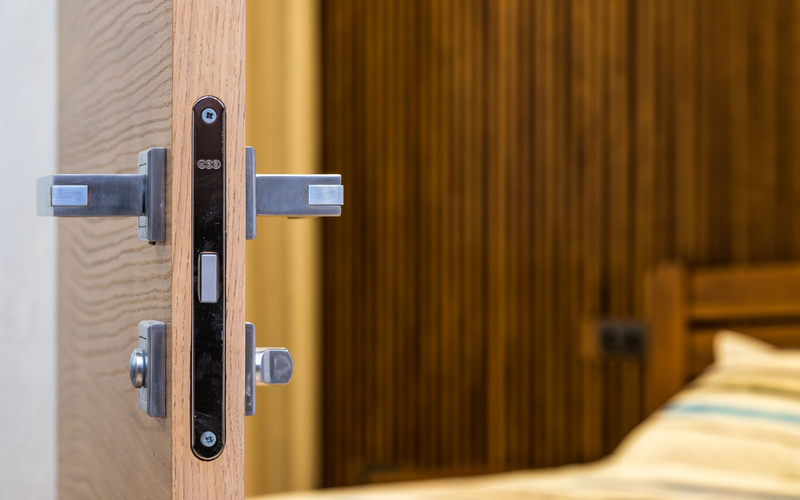
Homeowners in the Columbus area frequently find themselves locked out due to lost keys, keys locked inside, or malfunctioning locks. The solution depends on your specific situation. If you have a spare key hidden somewhere or a trusted neighbor with a copy, that's your quickest option. However, if you're truly locked out, a professional locksmith can provide non-destructive entry in most cases, preserving your lock and door while getting you back inside quickly.
Preventing future lockouts is easier than you might think. Consider installing a smart lock system that allows keyless entry via smartphone or code. Keep a spare key with a trusted neighbor or family member who lives nearby. For those who prefer traditional solutions, a lockbox mounted in a discreet location can provide emergency access without compromising security.
Vehicle Lockouts
Car lockouts present their own unique challenges. Modern vehicles with advanced security systems require specialized tools and knowledge to unlock without causing damage. Never attempt to break a window or use coat hangers on newer vehicles—you could trigger alarms, damage door mechanisms, or void your warranty.
Professional automotive locksmiths have the proper tools to safely unlock your vehicle, whether it's a traditional lock or a modern push-button start system. We can also program new key fobs on-site if your keys are lost rather than just locked inside.
Broken Keys in Locks
Few things are more frustrating than having a key snap off inside a lock. This common problem usually occurs due to worn keys, forcing a sticky lock, or applying too much pressure while turning.
Why Keys Break
Keys break for several reasons. Over time, keys wear down from repeated use, developing weak spots that eventually snap under normal pressure. Extreme temperature changes, particularly common in Columbus winters, can make metal brittle and more prone to breaking. Attempting to force a key into a lock that isn't turning smoothly puts excessive stress on the key, increasing the likelihood of breakage.
Solutions for Broken Keys
If your key breaks in a lock, resist the urge to dig it out with tweezers or other tools—you might push the fragment deeper into the lock cylinder. Professional locksmiths use specialized extraction tools designed specifically for this purpose. We can typically remove broken key fragments quickly without damaging the lock mechanism.
After extraction, we'll cut you a new key and inspect the lock to ensure it's functioning properly. If the lock itself is damaged or excessively worn, we may recommend replacement to prevent future problems.
Stuck or Jammed Locks
Locks that won't turn, feel sticky, or require excessive force are more than just inconvenient—they're warning signs of potential failure. Addressing these issues promptly can prevent complete lock failure and potential lockouts.
Common Causes of Stuck Locks
Several factors contribute to sticky or jammed locks. Dirt, dust, and debris accumulate inside lock cylinders over time, particularly in exterior doors exposed to Columbus weather conditions. Lack of lubrication causes internal components to grind against each other, creating resistance. Misalignment between the door and frame, often due to settling or seasonal temperature changes, can prevent the bolt from extending or retracting smoothly.
Fixing Sticky Locks
For minor stickiness, graphite powder lubricant specifically designed for locks often solves the problem. Never use WD-40 or oil-based lubricants in locks—they attract dirt and can gum up the mechanism over time. Insert the applicator nozzle into the keyway and apply a small amount of graphite, then work your key in and out several times to distribute the lubricant.
If lubrication doesn't resolve the issue, the problem may be mechanical. Loose strike plates, misaligned latches, or worn tumblers require professional attention. Our technicians can diagnose the root cause and either adjust or replace components as needed.
Worn Out or Damaged Locks
Locks don't last forever. Even high-quality locks eventually wear out from repeated use, weather exposure, and age. Recognizing when it's time to replace rather than repair a lock can prevent security vulnerabilities and emergency situations.
Signs Your Locks Need Replacement
Several indicators suggest it's time for new locks. Visible rust or corrosion, particularly common on exterior locks in Ohio's humid summers and snowy winters, compromises both function and security. Loose or wobbly handles indicate internal wear that won't improve with minor repairs. If your key turns but the lock doesn't engage, internal components may be worn beyond repair.
Additionally, any lock showing signs of forced entry attempts should be replaced immediately. Even if the lock still functions, its structural integrity may be compromised, making it easier for intruders to bypass.
Choosing Replacement Locks
When replacing worn locks, consider upgrading to higher security options. Grade 1 deadbolts offer superior resistance to forced entry compared to builder-grade locks. Smart locks provide convenience and enhanced security features like temporary access codes and activity logs. For businesses, commercial-grade locks with restricted keyways prevent unauthorized key duplication.
Our team can assess your security needs and recommend locks that balance protection, convenience, and budget. We carry major brands and can install any lock system you prefer.
Lost or Stolen Keys
Losing your keys or having them stolen creates both immediate inconvenience and potential security risks. The appropriate response depends on whether you simply misplaced your keys or believe they were stolen.
When Keys Are Simply Lost
If you've lost your keys but don't believe they were stolen or can be connected to your address, you have several options. Spare keys allow you to regain access while you search or have replacements made. For homes without spare keys, a locksmith can create new keys from the lock itself or rekey the lock to work with a completely new key.
Security Concerns with Stolen Keys
If your keys were stolen or lost along with identification showing your address, rekeying or replacing locks becomes a security priority. Rekeying changes the internal pin configuration so old keys no longer work, while new keys operate the lock. This process is faster and less expensive than replacing entire locks while providing the same security benefit.
For maximum security after a theft, consider upgrading to high-security locks with restricted keyways that can't be duplicated without authorization. This prevents anyone from making copies of your keys at local hardware stores.
Malfunctioning Electronic and Smart Locks
As more Columbus homeowners and businesses adopt smart lock technology, we're seeing new types of lock-related problems that differ from traditional mechanical issues.
Common Smart Lock Problems
Battery failure is the most frequent issue with electronic locks. Most smart locks warn you when batteries are running low, but it's easy to ignore these alerts until you're locked out. Always keep spare batteries on hand and replace them at the first warning sign.
Connectivity issues can prevent smartphone-controlled locks from responding to commands. Wi-Fi disruptions, Bluetooth range limitations, or app glitches may require troubleshooting. Most smart locks include backup access methods like keypads or physical keys for exactly these situations.
Software bugs or failed updates occasionally cause smart locks to malfunction. Checking manufacturer websites for firmware updates and following installation instructions carefully can prevent many of these issues.
Solutions for Electronic Lock Issues
Most electronic lock problems can be resolved without replacement. Battery replacement solves the majority of issues. Resetting the lock to factory settings and reconfiguring it often resolves software glitches. For persistent connectivity problems, checking your Wi-Fi router placement and signal strength may help.
When smart locks fail mechanically rather than electronically, professional service is necessary. Our technicians are trained on major smart lock brands and can diagnose whether issues are mechanical, electrical, or software-related.
Key Duplication Problems
Not all keys can be duplicated at your local hardware store, and poorly cut duplicates often create more problems than they solve.
Restricted and High-Security Keys
High-security locks use patented keyways that require authorization to duplicate. These keys can only be copied by locksmiths who have agreements with the manufacturer. While this restriction may seem inconvenient, it's actually a valuable security feature preventing unauthorized key duplication.
If you need duplicates of restricted keys, bring proper identification and proof of authorization to a licensed locksmith. We maintain relationships with major lock manufacturers and can duplicate most high-security keys while maintaining proper security protocols.
Poor Quality Key Copies
Badly cut keys from automated kiosks or inexperienced key cutters can damage your locks. Keys that don't quite fit properly cause excessive wear on tumblers and may eventually break inside the lock. Always have keys duplicated by experienced professionals who verify the copy works smoothly before you leave.
Security Concerns and Upgrade Needs
Many locksmith calls stem from security concerns rather than immediate lock failures. Whether you're moving into a new home, experienced a break-in, or simply want to improve security, addressing these concerns promptly protects your property and peace of mind.
After Moving Into a New Home
Never assume previous owners or tenants surrendered all key copies. Contractors, real estate agents, neighbors, and former residents may have keys you don't know about. Rekeying or replacing all exterior locks should be your first priority after moving.
This is also an excellent time to assess overall security. Are deadbolts installed on all exterior doors? Do sliding doors have auxiliary locks? Are there vulnerable entry points like old windows or basement doors that need attention? A professional security assessment identifies weak points before they become problems.
Upgrading Outdated Security
If your locks are more than ten years old or you've never upgraded from builder-grade hardware, modern lock technology offers significantly better protection. Anti-pick pins, drill-resistant plates, and reinforced strike plates make forced entry much more difficult.
For comprehensive security improvements, consider complementing quality locks with security cameras, alarm systems, and motion-activated lighting. Layered security approaches provide better protection than any single measure alone.
Frozen Locks in Columbus Winters
Columbus winters bring a lock problem southern locksmiths rarely encounter—frozen lock cylinders that refuse to accept keys or turn.
Preventing Frozen Locks
Prevention is easier than dealing with frozen locks in freezing temperatures. Apply a small amount of graphite lubricant to lock cylinders before winter arrives. The lubricant prevents moisture from freezing inside the mechanism. For vehicles, waterproof covers over keyholes prevent moisture accumulation.
Avoid breathing into frozen locks to melt ice—your breath contains moisture that will refreeze and worsen the problem. Never force your key into a frozen lock, as the key may break.
Thawing Frozen Locks Safely
If you encounter a frozen lock, commercial de-icer sprays designed for locks work quickly and safely. Warming your key with a lighter before carefully inserting it can help, but be cautious not to overheat the key. Hand sanitizer containing alcohol can also help melt ice when applied to the keyway.
For stubborn cases, calling a locksmith saves time and prevents damage from improper thawing attempts. We have specialized tools and techniques for dealing with frozen locks without causing harm.
Commercial Lock and Access Control Issues
Businesses face unique lock challenges that differ from residential situations. Employee turnover, multiple access points, and higher security requirements create specific needs.
Master Key System Problems
Many commercial properties use master key systems allowing different access levels for various personnel. When employees leave, individual locks can be rekeyed without changing the entire master system. However, poorly maintained master key systems develop security vulnerabilities over time.
If your master key system has grown complex through years of modifications, a complete system redesign may be more cost-effective and secure than continuing to patch an outdated system. Our commercial division can design and implement master key systems that balance access control with security.
Access Control System Malfunctions
Electronic access control systems using keycards or fobs occasionally malfunction, leaving employees unable to enter buildings or restricted areas. Power failures, software glitches, or failed card readers require immediate attention to maintain business operations.
Regular maintenance of access control systems prevents many problems. Keeping backup power supplies fresh, updating software, and replacing aging readers before they fail minimizes disruption. Our commercial locksmith services include access control installation, maintenance, and emergency repairs.
Safe and Vault Problems
Homeowners and businesses with safes occasionally encounter problems accessing them, whether from forgotten combinations, mechanical failures, or lock damage.
Forgotten Combinations
If you've forgotten your safe combination, don't attempt to drill or force the safe open—you'll likely destroy its contents and the safe itself. Professional locksmiths can manipulate most mechanical safe locks open without damage. For electronic safes, we can often bypass or reset the combination using manufacturer protocols.
Always keep combination information in a secure location separate from the safe itself. Safety deposit boxes at banks are ideal for storing safe combinations and other critical information.
Mechanical Safe Failures
Safes are mechanical devices that can fail from age, lack of maintenance, or damage. Sticky dials, locks that won't retract, or damaged bolts prevent access to your valuables. Regular maintenance keeps safes functioning reliably, but when problems occur, specialized knowledge and tools are necessary for repairs.
Our safe technicians have experience with major safe brands and can repair or replace failed components. For severely damaged safes, we can extract contents and help you select a replacement that meets your security needs.
Door Hardware and Lock Alignment Issues
Sometimes the problem isn't the lock itself but rather the door, frame, or associated hardware. These issues often manifest as difficulty locking or unlocking doors.
Settling and Seasonal Movement
Building settling and seasonal temperature changes cause doors and frames to shift slightly. In Columbus, humidity fluctuations between summer and winter are significant enough to cause noticeable door movement. What worked perfectly in January may stick in July, and vice versa.
Minor alignment issues can often be corrected by adjusting strike plates, shimming hinges, or planing door edges. More severe settling may require professional carpentry in addition to locksmith services. We work with trusted contractors when door or frame repairs exceed basic adjustments.
Worn Hinges and Hardware
Door hinges wear over years of use, causing sagging that affects lock alignment. Loose screws, stripped holes, or bent hinges create gaps between door and frame that prevent proper latching. Replacing worn hinges and using longer screws that reach the wall studs often solves these problems.
For heavy doors or high-traffic applications, upgrading to commercial-grade hinges designed for heavier loads prevents premature wear. Our team can assess whether hardware upgrades would benefit your specific situation.
Transponder Key and Key Fob Issues
Modern vehicle keys contain electronic components that can fail independently of the mechanical key portion. These high-tech keys require specialized equipment to diagnose and repair.
Programming and Battery Problems
Most key fob problems stem from dead batteries or lost programming. Replacing the battery is straightforward and inexpensive. If your fob stops working after battery replacement, it may need reprogramming to your vehicle.
Reprogramming procedures vary by make, model, and year. Some vehicles allow DIY programming following specific sequences, while others require professional diagnostic equipment. We maintain programming tools for most vehicle makes and can create and program new transponder keys on-site.
When to Replace vs. Reprogram
Physical damage to key fobs—cracked cases, water damage, or broken buttons—often requires replacement rather than repair. While aftermarket fobs are less expensive than dealer replacements